Tree Trimming in Asheville, NC: Why Regular Pruning is Key to Avoiding Bigger Issues
Regularly trimming your trees is one of the easiest ways to protect your property and keep your trees healthy. When trees grow unchecked, branches can become crowded, diseased, or too close to important areas like roofs and power lines. A good trimming routine helps you avoid these problems and boosts your home's curb appeal.
Think of tree trimming as preventative care. It's not just about looks. It helps trees grow strong, reduces the risk of storm damage, and helps trees handle seasonal changes better. If you're deciding on maintenance options, our tree trimming and tree pruning services focus on both safety and structure to meet each tree's unique needs.
This guide will explain why regular trimming is essential, what problems it can prevent, and how to know when your tree needs attention. We'll also cover best practices and the benefits of working with a qualified arborist. For more general advice on tree care, check out the Arbor Day Foundation for tips on healthy tree maintenance and proper pruning techniques.
Why Regular Tree Trimming Matters
Boosts Tree Health
Routine trimming significantly improves tree health. Removing dead or diseased branches allows the tree to focus its energy on new growth. This is particularly important for mature trees, which can develop thick canopies that block sunlight and trap moisture, creating ideal conditions for decay.
Modern tree care often uses adaptive pruning techniques. Different tree species respond differently to cuts, so a well-timed, proper cut can reduce stress and encourage better growth. On the flip side, a poor cut can weaken the tree or attract pests. This means trimming should always be customized to the tree, the site, and your property goals.
Reduces Safety Risks
Branches that hang over homes or walkways can become dangerous without warning. Winds, heavy rain, and ice can snap weak limbs or cause them to fall. Regular trimming removes these risks early, which helps prevent injuries and property damage during storms.
But it's not just about large limbs. Even smaller branches can cause problems if they're rubbing together or growing too close to structures. Fix these issues before they grow, and you'll avoid emergency calls and the stress that comes with sudden tree problems.
Improves Appearance and Value
Trees play a big role in how a property looks. A well-maintained canopy can make your yard feel cleaner and more welcoming. Trimming helps reveal the tree's natural shape and opens up views to your home and the surrounding area. This improved look can boost the perceived value of your property.
If you're planning to sell, regular tree trimming is a cost-effective way to improve your property's appeal. Well-kept trees signal that a property has been carefully maintained, which is attractive to buyers. The same goes for businesses and rental properties, where tidy, safe trees create a strong first impression.
Problems Regular Tree Trimming Can Prevent
Deadwood and Diseased Limbs
Deadwood isn't just ugly—it can harbor pests, spread decay, and fall unexpectedly. Certified arborists often suggest removing these limbs first because they're the most likely to cause future problems. This aligns with the advice from the International Society of Arboriculture, which emphasizes proper pruning for health and structure.
If left alone, diseased branches can compromise the entire tree. Infections may move into larger limbs or the trunk, making treatment more difficult and costly. Regular inspections and timely trimming give you the chance to catch these issues early, often allowing the tree to be preserved.
Storm Damage and Limb Failure
Storm-related failures are a common reason for emergency tree service calls. Overextended limbs and crowded canopies are more likely to fail under pressure from wind or ice. Trimming reduces the sail effect of the canopy, improving airflow and lowering the risk of branches breaking during bad weather.
In areas with frequent storms, like Asheville, preventive maintenance is crucial. A tree might look healthy from the ground, but still have hidden weaknesses. Routine trimming helps reduce those unknowns, and when extra support is needed, services such as tree cabling can help preserve valuable trees.
Structural Imbalance
Young trees benefit from training cuts that guide growth in a healthy direction. Without this guidance, trees can develop crossing limbs or narrow branch angles, leading to instability and a higher risk of splitting later in life.
Regular trimming corrects these problems before they become permanent. By establishing a strong central structure and removing competing branches, arborists help trees grow in a way that is more resilient and easier to maintain. This approach saves money over time by reducing the need for major corrective work later.
Current Tree Care Trends and What They Mean for You
Adaptive Pruning
Modern tree care has moved away from one-size-fits-all pruning. Today, experienced professionals consider tree species, growth habits, and site conditions before deciding how much to trim. This is important because a plan that works for one species could stress another.
Adaptive pruning means trimming with a purpose. Some trees need canopy thinning for better airflow, while others benefit from selective reduction or deadwood removal. This method is especially useful in mixed landscapes where mature shade trees and ornamental trees have different needs.
Preventative Maintenance Over Reactive Work
Many used to wait until a branch broke before scheduling service. That reactive approach often leads to higher costs and more risk. Now, preventative maintenance is the preferred strategy because it treats tree care as an ongoing investment.
Professionals in Asheville emphasize trimming as part of a broader property maintenance plan. Local providers focus on removing dead or overgrown limbs so trees stay safer and healthier year-round. Pair this with cleanup services like brush removal, and you'll have a clean, safe yard.
Focus on Sustainability and Tree Preservation
There's a growing emphasis on preserving trees whenever possible. Homeowners want safer yards, but also want to keep mature trees that offer shade and habitat. That balance has led to more precise pruning methods, better timing, and a stronger focus on long-term tree health.
Trimming can support sustainability because it often extends the life of a tree that might otherwise decline from overcrowding or disease. In some cases, though, removal is the safest option, especially when dead sections or extensive decay are present. Our tree removal service provides a careful solution in these situations.
Best Practices for Safer, Healthier Trimming
Start with the Problem Limbs
Professional arborists usually start with the most obvious problem limbs. Deadwood and cracked branches can create entry points for decay. Removing these branches improves airflow and helps the tree focus on healthy growth.
This approach also keeps the pruning process focused and efficient. Rather than removing too much at once, a skilled crew prioritizes what truly needs to go. That minimizes stress on the tree and keeps the results looking natural.
Avoid Over-Pruning
One of the worst mistakes in tree care is removing too much of the canopy at once. Over-pruning can shock a tree, expose it to sunscald, and trigger weak regrowth. It also reduces the tree’s ability to produce food, slowing recovery.
Another practice to avoid is “rounding over”—reshaping the canopy into a ball-like form. While it may look neat initially, it often weakens the tree over time and can lead to decay and structural failure. Avoid methods that remove the tree’s natural structure.
Use the Right Tools and Timing
Clean tools, proper cuts, and sensible timing all matter when trimming trees. Sharp equipment makes smoother cuts that heal better, while dull or dirty tools can tear bark and spread disease. Timing also matters because some species respond better to dormant-season pruning.
If you're unsure about the right method for your trees, consult a specialist. Experienced local crews make a difference, offering measured work done by trained professionals.
How Often Should Trees Be Trimmed?
Consider Species, Age, and Condition
There's no single trimming schedule for every tree. Young trees may need more frequent pruning, while mature trees may only need maintenance unless they’re close to structures. Species matter too, as some grow quickly while others don't.
A tree in great condition might only need minor trimming every few years, but a tree with damage or poor structure may need more regular attention. Pay attention to how fast branches grow toward structures and if the canopy looks crowded.
Factor in Local Weather
Weather and terrain affect how often trimming should happen. In areas with strong storms, proactive pruning becomes even more valuable. Trees on slopes or near buildings may need more maintenance because they face extra stress.
In Asheville, local conditions make tree care more specialized. Consulting a local arborist is helpful; they can recommend a schedule that fits both the species and the landscape.
Watch for Warning Signs
Even on a maintenance schedule, trees should be inspected after major weather events. Warning signs include cracked limbs, hanging branches, and fungal growth. Sparse leaves or branches touching roofs may also suggest stress or decay.
When these signs appear, a professional evaluation is the safest step. Early action is almost always the better investment, preventing manageable trimming jobs from becoming emergency removals.
Can Homeowners Trim Trees Themselves?
Minor Pruning is Doable
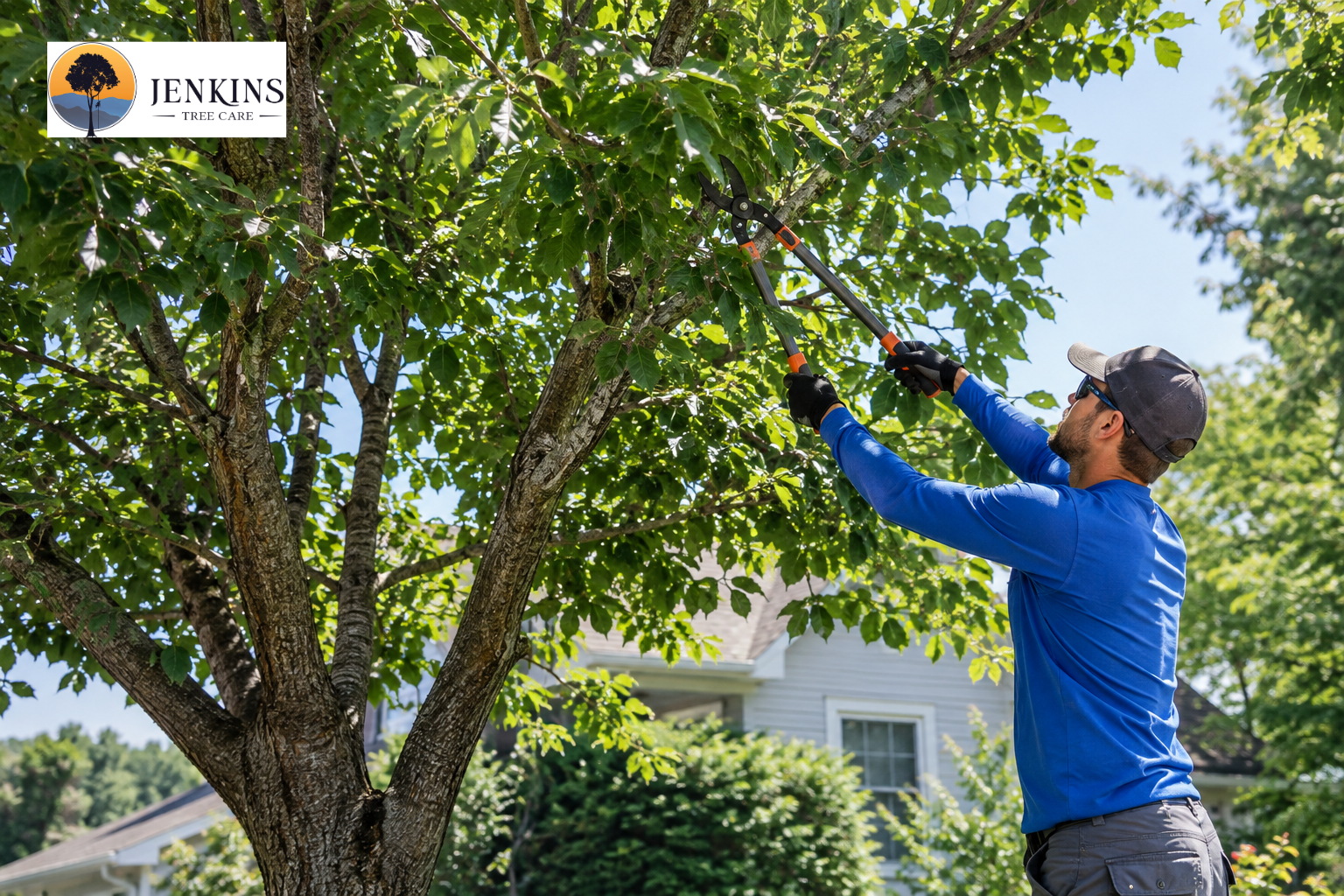
Some light pruning tasks can be safely done by homeowners, like removing small dead twigs or low branches. Even then, cuts should be made carefully, and the person should know where the branch collar is to avoid tearing bark.
Use stable footing, avoid cutting near utility lines, and never overreach from ladders. Simple tasks are manageable, but they should never be rushed.
Leave Large Jobs to the Pros
When branches are large or close to structures, professional help is the safer option. Experienced crews bring the right equipment and knowledge to complete the work without creating new hazards.
If you need more than basic maintenance, hiring a professional is the most reliable way to protect both the tree and your property. Regular evaluations can address issues before they become urgent.
Know When It’s Time for Removal
Not every tree can be saved with pruning. If decay has spread too far, removal may be the safest option. That decision is best made after a thorough inspection, especially if the tree is close to a home or driveway.
If you're unsure whether a tree should be trimmed or removed, check out our guide on when to trim vs. remove a tree. Making the right decision early can prevent major expenses and risks.
Real-World Example: How Routine Trimming Helps Save Money
A Mature Shade Tree Near a Home
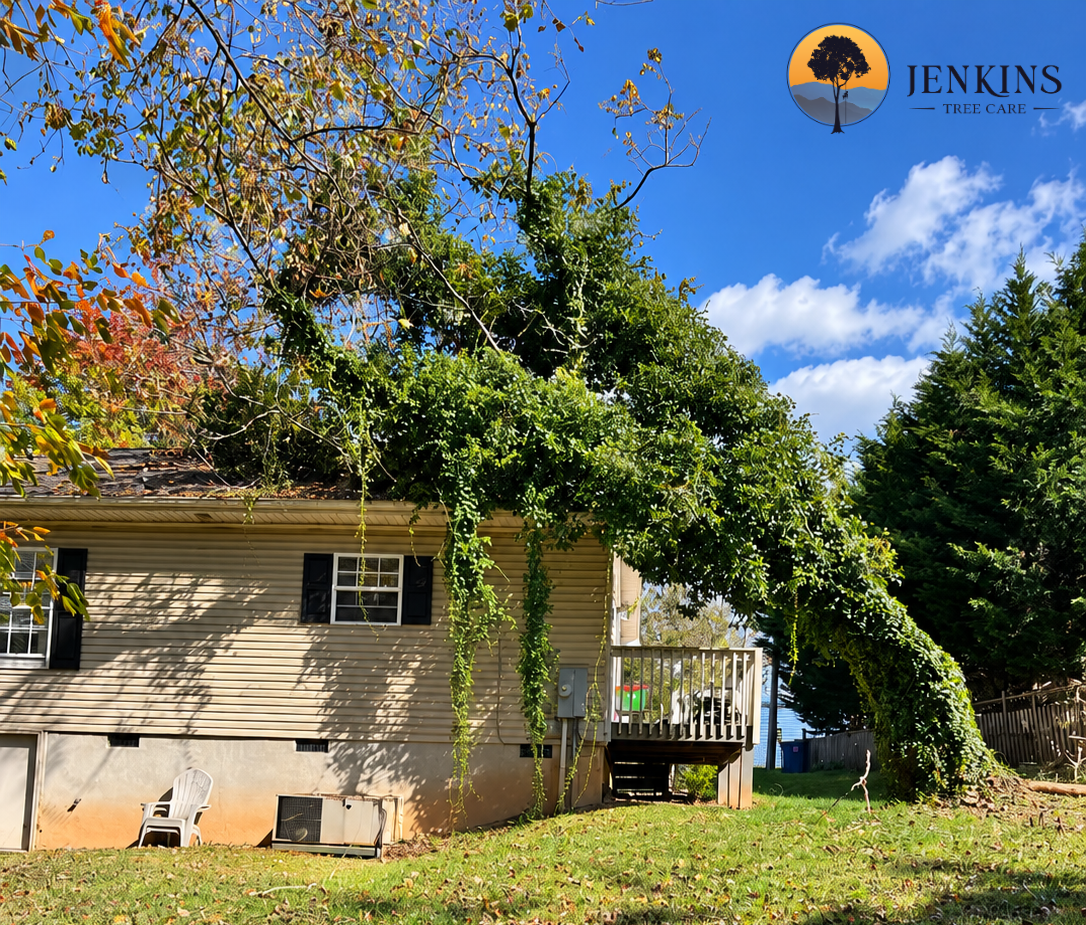
Imagine a mature hardwood tree near a roofline. It may look healthy, but a closer inspection reveals dead limbs and a heavy branch leaning toward the house. If ignored, these issues can cause roof damage and create a dangerous drop zone during a storm.
A routine trimming visit would remove the deadwood and improve clearance around the structure, typically less expensive than emergency cleanup. It also keeps the tree healthier by thinning the canopy for balanced growth.
A Storm-Prone Property with Overgrown Limbs
Consider a property with trees growing close to utility lines. Overgrown limbs may not be a problem on a calm day, but in heavy wind, they can snap. Regular trimming reduces movement in the canopy and helps keep the site safer.
In Asheville, local crews often see how quickly unmaintained trees become emergencies. Companies like Top Notch Tree Care show how practical regular maintenance is when it includes pruning and emergency readiness. For homeowners, the lesson is clear: preventing damage is easier than responding after the fact.
What to Expect During a Professional Tree Trimming Service
Inspection and Planning
A professional service usually starts with assessing the tree and its surroundings. The goal is to identify hazards and plan a pruning strategy tailored to the tree’s needs.
This assessment also helps determine if extra services are needed, like cleanup or brush hauling, so the property is left safe and usable.
Safe Cutting and Cleanup
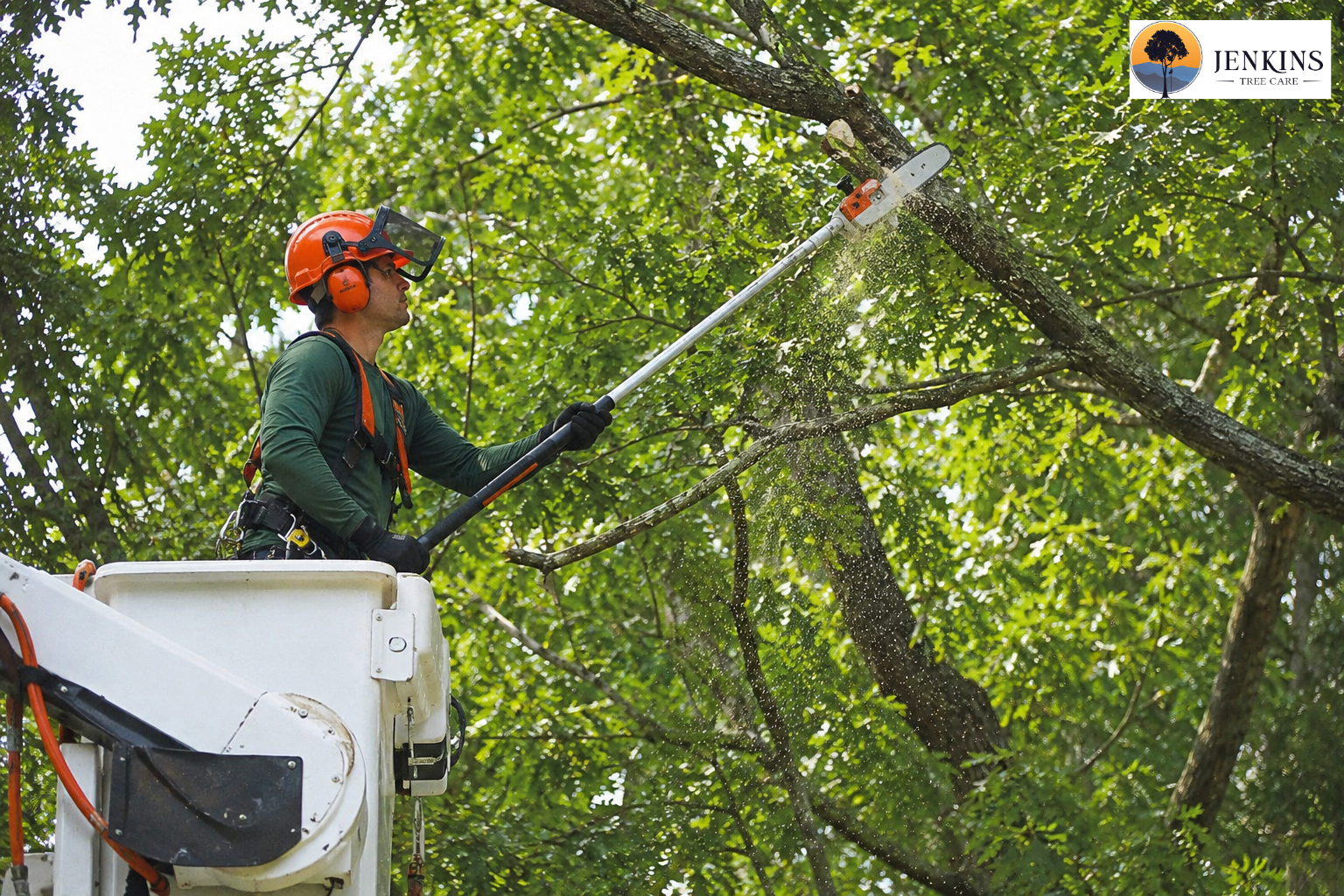
Once the plan is set, trained crews use proper techniques to remove branches without damaging the tree or nearby structures. Controlled removal reduces the chance of accidental breakage.
After the cutting, cleanup is just as important. Clearing debris keeps the yard accessible and lowers trip hazards. If needed, stump grinding can reclaim usable space.
Follow-up Recommendations
Good tree care doesn't end when the crew leaves. A reputable arborist will explain what was removed and why, and suggest a follow-up interval based on the tree’s condition.
This guidance turns tree care into a long-term plan, allowing you to stay ahead of problems with scheduled maintenance.
Frequently Asked Questions About Tree Trimming
How Often Should I Trim My Trees?
The right schedule depends on the species, age, location, and condition of the tree. Some trees need light maintenance every one to three years, while others may only need occasional attention. Have a qualified arborist assess the tree and recommend a plan.
Can Trimming Help Prevent Tree Disease?
Yes, trimming can help reduce disease by removing infected limbs and improving airflow. It’s not a cure for every disease, but it’s an important part of prevention.
Is Winter a Good Time to Prune?
Winter is often a good time because trees are dormant, and pruning stress may be lower. However, the best timing depends on the species and goals of the work. Flowering trees may require different timing.
What if My Tree Has Already Started Leaning?
A leaning tree should be inspected promptly, especially if the lean is new. Not all leaning trees are failing, but some indicate root issues that require professional attention.
Take the Next Step Toward Healthier Trees
Regular tree trimming is a smart investment. It protects tree health, reduces storm damage risk, improves appearance, and helps prevent costly emergencies. When done right and on schedule, trees live longer and look better.
If your trees are overdue for attention, act now before small concerns grow into major repairs. A professional evaluation can help decide whether pruning, trimming, support, or removal is needed. For expert help, Jenkins Tree Care offers reliable service and preventative care tailored to local conditions.
To learn more or schedule an assessment, explore our tree trimming options, check out our tree pruning solutions, or reach out for a customized plan for your landscape.
For more information on canopy safety and professional standards, visit the North Carolina Forest Service for educational resources on tree care. Taking action now can help you avoid bigger problems later and keep your property looking its best.